The slot lever is one of the most instantly recognizable pieces of hardware ever attached to a gambling machine. Pull it, hear the mechanica
The slot lever is one of the most instantly recognizable pieces of hardware ever attached to a gambling machine. Pull it, hear the mechanical clunk, watch the reels spin — it was tactile, deliberate,....

The slot lever is one of the most instantly recognizable pieces of hardware ever attached to a gambling machine. Pull it, hear the mechanical clunk, watch the reels spin — it was tactile, deliberate, and satisfying in a way that no touchscreen button has ever fully replicated. That lever defined casino culture for decades. And then, almost without anyone noticing, it was gone.
This is an editorial about what happened to it.
How the Lever Got Replaced — and Why Players Didn't Mind
The physical slot lever — formally called the "arm" or "bandit handle" — was a mechanical interrupt. It loaded a spring mechanism, set the reels in motion, and gave the player exactly one moment of control over an otherwise fully automated outcome. By the early 2000s, digital buttons had largely taken over in land-based casinos. Online platforms like Jili Slot skipped the lever entirely.
The replacement wasn't a step backward — it was a trade. Buttons are faster. They allow faster play cycles, which is exactly what the modern platform optimized for. A lever pull takes roughly three seconds of deliberate action. A button press takes one. Over a session, that compounds into meaningful additional spin volume.
What the button gained in efficiency, it lost in ceremony. The lever made each spin feel like a committed act. The button made it a reflex. Platforms like Jili Slot compensated with visual feedback — screen flashes, reel acceleration, sound design — to recreate some of that ritualistic charge through purely digital means.
Photo by cottonbro studio on Pexels
The Rise of Neon Casino Lights as a Design Language
Walk into a casino floor — physical or digital — and the lighting is not accidental. The neon aesthetic that surrounds slot play in the Philippines and elsewhere wasn't adopted for atmosphere alone. It functions as a targeting mechanism, directing attention, pacing arousal, and shaping the emotional state that makes extended play feel natural rather than effortful.
Modern slot game design borrows heavily from this playbook. Jili Slot's interface uses high-saturation color palettes, pulsing ambient light effects, and frequent visual reward markers — small flashes and animations that fire on near-misses and small wins. The goal isn't to deceive. It's to modulate. Players in Manila, Cebu, and Davao Metro who use GCash to load their accounts are playing on platforms that have invested substantially in this sensory environment, even if no one describes it that way at the checkout.
Neon isn't nostalgia. It's behavioral engineering applied at scale. Understanding that as a player — rather than just experiencing it as a user — is one of the clearest lines between casual play and informed play.
Casino Bars and the Architecture of Comfort
The casino bar used to serve a structural purpose in land-based gambling. It gave players a reason to stay on the floor without actively playing. You could sit, order a drink, watch the machines, and re-engage without the friction of deciding to walk back from a restaurant or hotel lobby. Casinos understood this. The bar kept players proximate.
Digital platforms don't have a physical bar, but they've replicated the function. Lounge interfaces, "break" screens with promotional messaging, and low-stakes "social" game modes all serve the same function — they give the player a reason to remain in the ecosystem without requiring full commitment. Jili Slot's design includes interface pauses and feature prompts that function as the digital equivalent of a barstool: you don't have to leave the floor to feel like you're still participating.
This matters for Filipino players who manage their bankroll through GCash and Maya. The ease of adding funds removes the friction that previously forced a session break. When money is one tap away, the bar is always open.
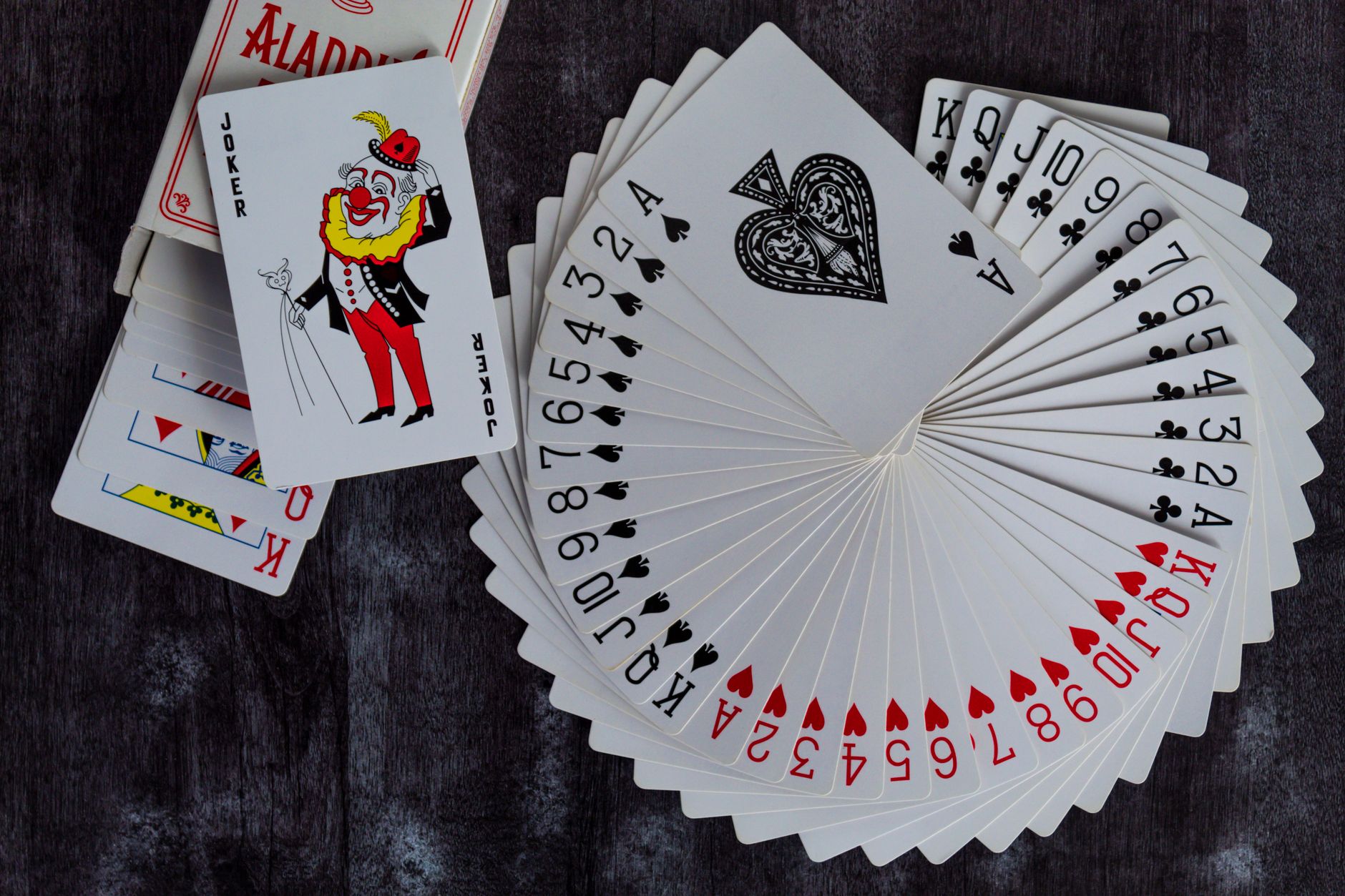
Photo by Chemapro Hd Ecco on Pexels
Gambling Chips in the Online Era: Physical Habit, Digital Reality
Chips solved a specific problem in physical casinos: they created a standardized, stackable, easy-to-read currency unit that lived on the table. Placing chips felt weighty and consequential in a way that sliding a banknote didn't. They were the physical manifestation of the stake.
Online, that tactile dimension disappears entirely. GCash balances and Maya credits are numbers on a screen. Some platforms have tried to reintroduce chip imagery — styled buttons, chip-design UI elements — but the behavioral effect isn't the same. The visual metaphor of a stack of chips triggers certain associations; a balance number does not.
What matters here isn't nostalgia. It's loss aversion psychology. Players in the Philippines loading their Jili Slot accounts via GCash are operating in a fully abstract monetary environment. The absence of chips means the abstraction is complete — no physical object anchors the player's sense of what they've spent or what remains. Platforms benefit from this. Players should account for it.

Photo by Stephen Leonardi on Pexels
FAQ: Slot Design and Platform Choices
Does Jili Slot offer a demo or free-play mode?
Many platforms affiliated with Jili game studios offer free-play modes for registered accounts. Check the platform directly for current availability.
What payment methods does Jili Slot support in the Philippines?
GCash and Maya are the primary mobile wallet options. Bank transfer is also commonly available. Availability varies by affiliated platform.
Are neon-themed slot games higher variance?
Color and theme intensity do not mechanically determine payout structure. RTP (Return to Player) rates and variance classifications are published separately and are the actual indicators of risk and reward.
Is the "casino bar" feature available on mobile?
Most modern platforms are mobile-first. Lounge and break-screen features are typically accessible from the account dashboard on both iOS and Android.

Photo by Pavel Danilyuk on Pexels
The slot lever is gone. The casino bar has dissolved into a dashboard. The chips are numbers in a GCash balance. Each of these shifts happened incrementally, in ways that felt like improvements — faster, easier, more accessible — rather than structural changes. They were all of those things at once.
Being a careful player in the Philippines means recognizing when convenience and engagement design are working in the same direction. Jili Slot, like any platform optimized for player retention, has taken full advantage of every design decision the industry has accumulated. Knowing that doesn't make the experience worse. It makes the decisions you make within it more intentional.
Thank you for reading.
Jili Slot · Editorial Archive · 2026